
1. Home
  2. »
  3. Personal Finance
  4. »
  5. How to Handle Stock Market Ups and Downs

I love roller coasters – truly. I recently rode Universal’s VelociCoaster, and it’s easily one of the wildest rides out there. But after diving deeper into investing and day trading, I’ve realized the stock market makes VelociCoaster feel like a children’s carousel.

Learning how to handle stock market ups and downs has become my new priority. Just like other everyday challenges we talk about here at The Average Gal – whether it’s surviving a recession (From Panic to Power) or staying grounded when life gets chaotic (Staying Calm in Chaos) – mastering your mindset matters far more than predicting every twist and turn.

There was a point when the constant market swings drained me so much mentally that I had to step away from blogging and vlogging altogether – simply to reset my brain and calm my emotions. And that’s okay. There’s nothing to be ashamed of.

That’s really the heart of this blog:

if the market has been overwhelming you lately, let me say this clearly –

you are not alone.

And feeling this way is completely normal.

Here’s the comforting truth most people forget: even legendary investors mess up – sometimes spectacularly. (So yes, us Average Gals and Average Guys are absolutely allowed to mess up too.)

What separates the greats from the rest isn’t perfection – it’s temperament.

Today, we’re learning from five investing giants to uncover their real-world lessons on how to handle stock market ups and downs when things get messy.
Each of them faced failures, miscalculations, and even public embarrassment… and still came back stronger.

Well-known investors associated with lessons on how to handle stock market ups and downs.

And one honest disclaimer before we begin: just because I’m writing this doesn’t mean I’ve mastered the art of handling stock market ups and downs. I live them daily. But reminding myself of how the greats handled theirs gives me the strength to keep moving forward.

Then we’ll zoom out and look at real market history – because perspective is one of the best antidotes to fear.

1. Warren Buffett: Patience Through the Chaos

Warren Buffett is often called the greatest investor alive, but his journey includes some painful mistakes and someone that first comes to my mind on how to handle stock market ups and downs.
Some of his biggest misses:

Dexter Shoe: Paid $433M in stock for a company that eventually went to zero.

Tesco: Lost over $400M.

Energy Future Holdings: A $2B loss after ignoring early warning signs.

So, what is his secret for how to handle stock market ups and downs?

Sticks to his principles: He doesn’t change his strategy just because the news is scary.

Stays patient: He knows that time in the market beats timing the market.

Admits mistakes: He owns his “oops” moments and moves on.

If you’re familiar with our blog You Don’t Need to Be Extraordinary to Achieve Greatness, you know that effort and resilience – not perfection – define success. That same mindset applies to investing: you don’t have to be a market genius to handle stock market ups and downs.

2. Ray Dalio: From Collapse to Mastery

In 1982, Ray Dalio predicted a massive recession that never happened. He lost almost everything and had to borrow money from his father just to survive. That failure taught him a vital lesson in how to handle stock market ups and downs: humility. He built a disciplined, emotionally neutral system to ensure that no single market swing could ever break him again.

3. Tom Lee: Staying Convicted Through Volatility

Tom Lee is known for bold market calls, but he’s had some very public misses, like misjudging inflation or calling crypto bottoms too early. What makes Tom stand out isn’t that he’s always right – it’s his adaptability. He shows us that part of knowing how to handle stock market ups and downs is staying gritty and refusing to let a bad call shake your long-term confidence.

4. Michael Burry: Even Geniuses Misjudge the Timing

Michael Burry famously predicted the 2008 crisis, but even he has struggled with how to handle stock market ups and downs.
Some notable misfires:

His infamous “SELL” tweet – followed by a market rally.

Repeated Tesla crash warnings while the stock kept climbing.

Deleting strong predictions that later didn’t pan out.

Big Tech collapse warnings that never materialized.

Personal note: I’ll be honest – I’m not a huge fan of Burry. He shorted (bought put options on) my favorite stock, NVIDIA, and I’ve never been a bear at heart. 😅 But personal bias aside, his story is still worth talking about because it reinforces just how hard it is to consistently bet against the market – even for someone who got it spectacularly right once.

5. Cathie Wood: Vision Over Noise

Cathie Wood’s ARK funds have seen incredible highs and devastating lows. While the media often criticizes her during downturns, she remains focused on innovation. Her approach to how to handle stock market ups and downs is simple: keep your eyes on the 5-year horizon, not the 5-minute chart.

Books Worth Reading

If market volatility has you spiraling, these books focus less on predicting markets and more on mastering your reactions – which is where the real edge is.

The Psychology of Money: Timeless lessons on wealth, greed, and happiness
$19.99 $10.99

A must-read for understanding why temperament beats intelligence when it comes to investing. This book is practically a manual on how to handle stock market ups and downs without self-sabotage.

Shop on Amazon
We earn a commission if you make a purchase, at no additional cost to you.
06/04/2026 12:12 pm GMT
Common Stocks and Uncommon Profits and Other Writings (Wiley Investment Classics)
$28.00 $15.51

Perfect for long-term thinkers who want conviction during market swings. Fisher teaches how to stay invested when emotions tell you to run.

Shop on Amazon
We earn a commission if you make a purchase, at no additional cost to you.
06/04/2026 12:12 pm GMT
Principles: Life and Work
$30.00 $12.47

Written by one of the world’s most successful investors, this book offers practical wisdom on decision-making, adapting to change, and staying grounded during chaos. Dalio shares the principles that helped him navigate multiple financial crises - and build a thriving company in the process.

Shop on Amazon
We earn a commission if you make a purchase, at no additional cost to you.
06/04/2026 12:12 pm GMT
The Intelligent Investor: The Definitive Book on Value Investing
$37.50 $20.70

Warren Buffett calls it “by far the best book on investing ever written.” This classic teaches you how to think long-term, avoid emotional decisions, and stay steady in the face of market turbulence.
Shop on Amazon
We earn a commission if you make a purchase, at no additional cost to you.
06/04/2026 11:11 pm GMT

TL;DR: How to Handle Stock Market Ups and Downs

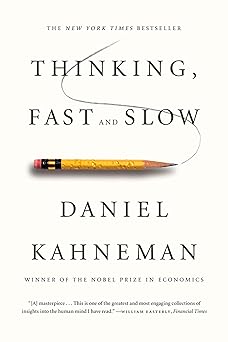
Thinking, Fast and Slow
$22.00 $11.83

Not an investing book per se, but incredibly powerful for understanding fear, bias, and impulsive decisions during market turbulence.

Shop on Amazon
We earn a commission if you make a purchase, at no additional cost to you.
06/04/2026 12:12 pm GMT

Long-term growth comes with stock market ups and downs – it’s the price of admission.

Even the greats made mistakes. What set them apart was staying curious, committed, and calm.

You don’t need to predict the market. You just need to stay grounded, think long-term, and keep riding.

Historically, those who stay invested through volatility are the ones who win.

Remember:
Volatility is normal
 Don’t react to every dip
Have a plan (and cash)
Learn from mistakes
Protect your mental health

This also mirrors what we often talk about in personal growth articles such as Becoming Stronger: The Potato or Egg Mindset – it’s not what happens to you, it’s how you respond that changes your outcome.

Buckle up and stay in your seat.

Leave a Reply

Discover more from The Average Gal

Subscribe now to keep reading and get access to the full archive.

Continue reading